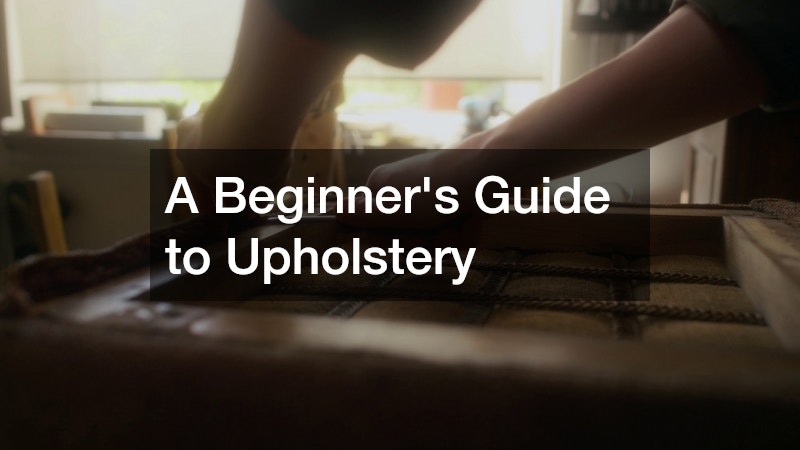
When it comes to refreshing or repairing furniture, many individuals consider DIY projects as a cost-effective solution. However, there are compelling reasons to opt for professional upholstery services instead of taking the task into your own hands.
Customized Solutions
Professionals offer customized solutions tailored to your specific needs and preferences, helping you achieve the exact look and feel you desire for your furniture. By choosing professional upholstery services, you are investing in the beauty and durability of your furniture while enjoying peace of mind knowing it’s handled by experts.
Power Tools
Some upholstery projects may require the use of power tools to achieve professional results. Electric staplers and drills can significantly speed up the process and provide a clean, secure finish. An electric stapler, for example, allows for quicker attachment of fabric compared to manual stapling, which can be beneficial for larger pieces.
Sewing machines are another vital component for upholstering, particularly for creating cushion covers and sewing seams. Opt for a heavy-duty machine capable of handling thick fabrics and multiple layers. While power tools involve a steeper learning curve, they offer significant advantages in efficiency and precision once mastered.
As a beginner, it is advisable to practice with power tools on smaller projects before tackling intricate furniture. Safety should always be a priority; make sure to use protective gear such as goggles and follow manufacturer instructions meticulously. By incorporating power tools, you unlock the potential to expand your upholstery skills and creativity.
Additional Materials
Beyond tools, selecting the right materials is crucial for successful upholstery. Essential items include fabric, foam, and batting, each serving a specific purpose in ensuring your furniture is comfortable and attractive. Foam provides the cushioning, while batting adds an extra layer of softness and smoothness to the final product.
The quality of your materials plays a pivotal role in the longevity and appearance of the upholstered piece. Opt for durable, high-quality fabrics that can withstand daily wear and tear, especially for pieces that will be used frequently. Consider the material’s resistance to fading, staining, and abrasion to make an informed choice.
How Do You Choose the Right Fabric?
Fabric choice is a critical aspect of upholstery that influences both the look and durability of your finished piece. Different fabric types offer varying levels of comfort, maintenance requirements, and suitability for specific uses. Common upholstery fabrics include cotton, polyester, velvet, and leather, each with unique properties.
For beginners, lightweight fabrics like cotton blends can be easier to work with. These fabrics typically stretch less, making them simpler to manipulate during the upholstering process. In contrast, heavier, non-stretch fabrics such as leather or canvas may present challenges but offer unmatched durability and resistance to wear.
Color and Pattern Selection
Choosing the right color and pattern for your upholstery project is as creative as it is strategic. The fabric you select should complement the room’s existing décor while reflecting your personal style. Neutral tones offer versatility and timeless appeal, while bold colors can serve as stunning focal points in a space.
Patterns, whether geometric, floral, or abstract, can add texture and visual interest to an upholstered piece. Balance is key; if the room already boasts a plethora of patterns, a solid color might be a better choice to prevent visual clutter. Conversely, a room with neutral tones might benefit from a striking pattern to create contrast.
Consider the scale of the pattern in relation to the size of the furniture. Larger patterns work well on spacious surfaces, while smaller designs can complement compact items. Thoughtful color and pattern selection enhance the harmony and impact of your upholstery project within the broader context of your interior design.
Caring for Upholstery Fabric
Once your upholstery project is complete, maintaining the fabric is crucial to preserving its appearance and longevity. Routine cleaning and protection measures can significantly extend the life of your furniture. Regular vacuuming with an upholstery attachment helps in removing dirt and preventing the buildup of harmful particles.
For spillages and stains, prompt action is essential. Blot the affected area with a clean cloth and avoid rubbing, which can spread the stain. Utilize appropriate cleaning agents for the specific fabric type, following manufacturer guidelines to avoid damage.
Protective treatments, such as fabric protectors or slipcovers, can add an extra layer of defense against spills and fading. Establish a maintenance routine tailored to the fabric’s characteristics and the furniture’s usage. By caring for your upholstery diligently, you ensure that your crafted pieces remain beautiful and functional for years to come.
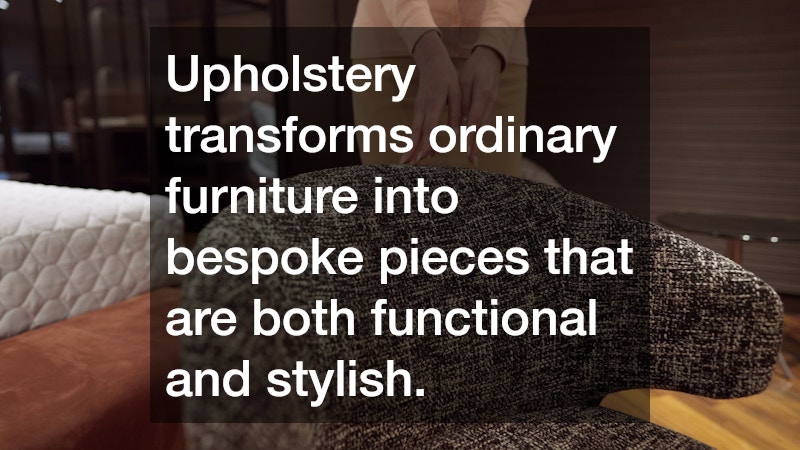
Upholstery transforms ordinary furniture into bespoke pieces that are both functional and stylish. With the right tools, materials, and techniques, beginners can effectively tackle upholstery projects and achieve professional-level outcomes. This artistry not only revitalizes existing furniture but also extends its lifespan, underscoring the practical and aesthetic value of mastering upholstery.
About the Author