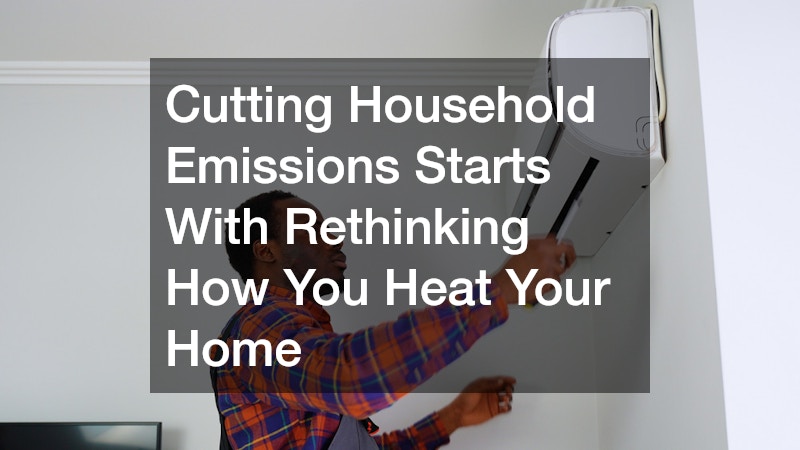
Your home heating system is likely the single biggest source of energy use in your house, which also makes it one of the biggest opportunities to cut emissions and save money. Many homeowners assume greener heating means expensive, complicated overhauls, but small, informed decisions can add up to real change. Whether you are replacing an aging furnace or just trying to get more efficiency out of what you already have, understanding your options is the first step. This guide walks through the practical choices that shape both your carbon footprint and your monthly bills.
Understanding Where Your Home Emissions Actually Come From
Before you can cut emissions, it helps to know where they originate. For most homes, space heating accounts for a much larger share of total energy use than lighting, appliances, or electronics combined. Older furnaces that burn fossil fuels directly release carbon dioxide every time they cycle on, while electric systems shift that impact to the power plant unless your grid runs on cleaner sources.
Understanding this breakdown helps homeowners prioritize where to spend money and attention first. Sealing leaks and upgrading insulation matter, but the equipment itself is often the biggest lever you can pull.
- Space heating typically represents 40 to 50 percent of residential energy use in colder climates
- Fossil fuel furnaces emit carbon dioxide directly at the point of use
- Electric heating shifts emissions upstream to the power grid
- Insulation and air sealing reduce how hard any system has to work
Comparing Furnaces, Boilers, and Electric Systems
Not all heating equipment is created equal when it comes to environmental impact. Gas furnaces are common and relatively affordable to run, but they rely on combustion and produce ongoing emissions for the life of the unit. Electric resistance heating avoids on-site combustion entirely but can be expensive to operate and inefficient compared to newer technologies.
Heat pumps have emerged as a genuinely different approach, moving heat rather than generating it through combustion or resistance. Because they transfer existing warmth from the air or ground rather than burning fuel, they can deliver two to four times more heating energy per unit of electricity consumed than a standard electric system. This efficiency is why many homeowners researching lower-emission upgrades end up comparing heat pumps directly against traditional furnaces.
- Gas furnaces burn fuel on-site and produce direct emissions
- Electric resistance systems are simple but often costly to run
- Heat pumps transfer heat instead of generating it through combustion
- Efficiency ratings vary widely between equipment types and models
Deciding Whether Your Current Furnace Still Makes Sense
If your furnace is under ten years old and running well, replacing it outright may not be the most cost-effective or lowest-impact choice right now. Manufacturing new equipment carries its own environmental cost, so keeping a functional system running efficiently can sometimes be the greener short-term option. That said, age, repair frequency, and fuel type all factor into whether it is worth holding onto.
A furnace nearing the end of its expected 15 to 20 year lifespan will likely lose efficiency even with regular maintenance. If you are noticing rising bills, inconsistent temperatures, or frequent breakdowns, those are signs the math may be shifting toward replacement rather than continued patchwork fixes.
- Furnaces under ten years old are often worth maintaining rather than replacing
- Efficiency naturally declines as equipment approaches 15 to 20 years old
- Rising utility bills can signal declining furnace performance
- Frequent breakdowns suggest replacement may be more economical long term
Recognizing the Warning Signs That Repairs Are Needed
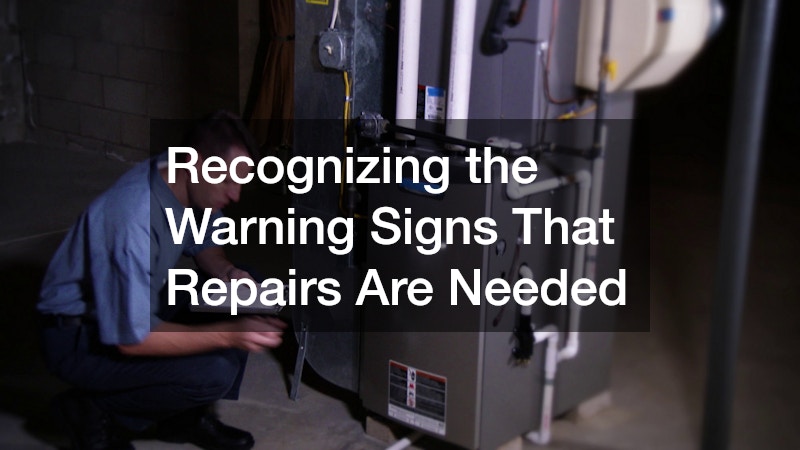
Catching problems early keeps your system running efficiently and prevents small issues from becoming expensive emergencies. A furnace working harder than it should burns more fuel or electricity, which increases both your bill and your emissions footprint. Watch for telltale signs like strange banging or squealing noises, a burning smell that lingers after the first startup of the season, or rooms that heat unevenly no matter how you adjust the thermostat.
Rising energy bills without a corresponding increase in usage are another red flag worth taking seriously. So is a furnace that cycles on and off more frequently than usual, since short-cycling often points to a failing component that’s forcing the system to overcompensate. Yellow or flickering burner flames, instead of a steady blue, can also signal incomplete combustion, which wastes fuel and may pose a safety risk.
Scheduling furnace repair at the first sign of trouble is almost always cheaper than waiting until the system fails completely. A minor repair addressed promptly might cost a fraction of what a full breakdown repair or emergency replacement would run. Delaying furnace repair also means living with reduced efficiency for months, quietly adding to both your utility costs and your household’s carbon output the whole time.
Watch Out For Cycling Issues
Other subtler clues include frequent cycling on and off, a pilot light that flickers or burns yellow instead of blue, and rooms that take noticeably longer to warm up than they used to. Any of these signs warrant a call to a professional before the problem escalates into a full system failure or, worse, a safety hazard.
- Unusual banging, rattling, or squealing sounds during operation, which often signal loose parts, worn belts, or a failing blower motor
- Uneven heating or cold spots in certain rooms, suggesting ductwork issues, blocked vents, or a system that’s improperly sized
- A noticeable increase in your monthly energy bill without a change in usage habits, often a sign of declining efficiency
- Short cycling, where the system turns on and off frequently instead of completing a full heating cycle
- A burning smell when the furnace is running, especially if it lingers beyond the first startup of the season
- Frequent need for repairs, more than once or twice a year, which can indicate the system is nearing the end of its lifespan
- Excess dust, soot, or humidity around vents, which may point to filtration problems or incomplete combustion
- A pilot light or indicator flame that burns yellow instead of blue, a possible warning sign of carbon monoxide risk
Weighing the Case for Heat Pump Installation
For homeowners ready to make a bigger change, switching from a fossil fuel furnace to an electric all-in-one heating and cooling system is one of the most impactful upgrades available. These systems work well in a wide range of climates now, with cold-climate models specifically engineered to maintain performance even when outdoor temperatures drop well below freezing. They also double as air conditioners in the summer, which can eliminate the need for separate cooling equipment entirely.
Upfront costs for these all-electric systems can be higher than a standard furnace, but many regions offer rebates and tax incentives that narrow the gap significantly. Over the system’s lifespan, lower operating costs and reduced emissions often make up the difference, particularly in homes with reasonably good insulation.
- Cold-climate models are designed to perform in sub-freezing temperatures
- One system can provide both heating and cooling year-round
- Rebates and incentives frequently offset higher upfront costs
- Good insulation improves overall system performance and savings

Knowing When to Call a Professional Versus DIY
Basic maintenance tasks like changing filters or clearing debris around outdoor units are reasonable for most homeowners to handle themselves. But anything involving gas lines, refrigerant, electrical wiring, or combustion components should be left to trained professionals. Attempting complex repairs without proper training risks both safety and warranty coverage.
Reputable heating contractors carry the licensing, insurance, and diagnostic tools needed to identify problems accurately the first time. They can also spot early warning signs during routine visits that an untrained eye would likely miss, which helps avoid larger repair bills down the road.
- Filter changes and basic cleaning are safe for most homeowners
- Gas, electrical, and refrigerant work requires licensed professionals
- Proper diagnostics prevent misdiagnosed or repeated repairs
- Working with an experienced heating contractor protects warranty coverage
Choosing a Qualified Contractor for Installation or Service
The quality of the installation or repair work matters just as much as the equipment itself. A poorly installed system, even a highly efficient one, can underperform significantly and negate much of the environmental benefit you were hoping to achieve. This is why researching heating and air conditioning contractors carefully before committing to a project pays off in the long run.
Look beyond price alone when comparing quotes. Ask about certifications, manufacturer partnerships, and whether the company offers ongoing heating and cooling service after the initial installation is complete. A contractor willing to explain their reasoning and answer questions thoroughly is usually a good sign of professionalism.
- Request at least three quotes before making a final decision
- Ask about licensing, insurance, and manufacturer certifications
- Check reviews and ask for references from recent customers
- Confirm whether ongoing maintenance plans are available after installation
Planning a Smooth Transition to New Equipment
Timing matters when planning a heating system upgrade. Scheduling furnace installation during the shoulder seasons of spring or fall often means shorter wait times and more flexible scheduling than during the peak demand of winter. It also gives you a buffer if any adjustments or follow-up visits are needed before extreme weather arrives.
Proper sizing is just as important as timing. An oversized system cycles on and off too frequently, wasting energy, while an undersized one struggles to keep up during cold snaps. A qualified installer will perform a load calculation based on your home’s square footage, insulation, and window placement rather than simply matching your old equipment’s capacity.
- Spring and fall typically offer better scheduling availability
- Load calculations ensure equipment is properly sized for your home
- Oversized systems waste energy through frequent cycling
- Undersized systems struggle during extreme temperatures
Maintaining Your System for Long Term Efficiency
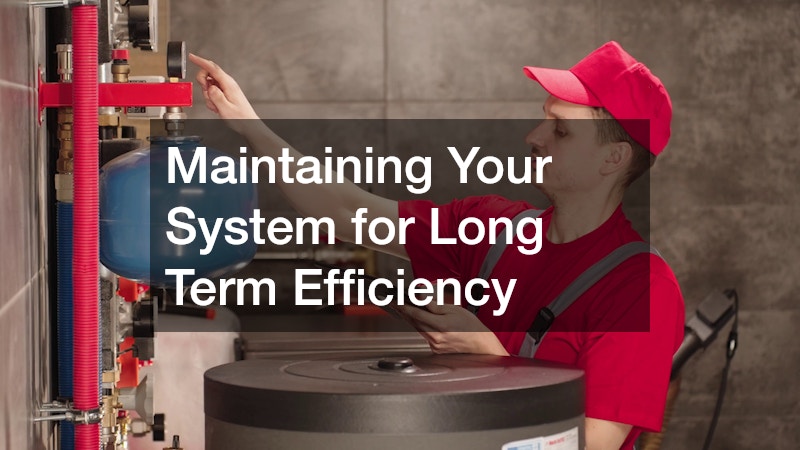
Whatever equipment you choose, ongoing maintenance determines how much of its potential efficiency you actually realize. Dirty filters, blocked vents, and neglected components all force systems to work harder than necessary, quietly driving up both costs and emissions over time. A furnace filter clogged with dust can reduce airflow enough to raise energy use by 15% or more, and a poorly maintained boiler loses efficiency in similar ways.
Simple habits make a real difference: swap or clean filters every one to three months, keep vents and radiators free of furniture and clutter, and bleed trapped air from radiators so heat distributes evenly. Checking that your thermostat and any smart controls are calibrated correctly also prevents systems from overcompensating for inaccurate readings.
A simple annual tune-up, ideally scheduled before the colder months set in, can catch small issues before they turn into major heating repairs. Technicians can spot worn belts, corroded connections, or refrigerant leaks that homeowners might miss, and addressing these early often costs far less than emergency repairs later. Over the life of a heating system, this kind of routine attention can add years of reliable, lower-emission performance.
Over time, this record extends equipment life, keeps performance closer to factory specifications, and gives you leverage when talking to contractors, since you can point to exactly what’s been done and when. It also makes it easier to decide when repair no longer makes sense and replacement becomes the smarter, more energy-efficient choice.
- Replace or clean filters every one to three months; check monthly during peak heating season since clogged filters force systems to work harder and raise energy bills
- Schedule professional tune-ups at least once a year, ideally in early fall before heavy use begins
- Keep vents and outdoor units clear of debris and obstructions like leaves, snow, or furniture blocking airflow
- Bleed air from radiators and check boiler pressure periodically if you have a hydronic heating system
- Inspect ductwork for leaks or gaps, which can waste up to 20-30% of heated air before it reaches your rooms
- Address unusual noises, smells, or uneven heating promptly rather than waiting, since small issues often signal bigger, costlier repairs ahead
Cutting household emissions does not require an overnight transformation, but it does require honest decisions about the equipment heating your home. Whether that means scheduling overdue maintenance, exploring heat pump technology, or simply finding a contractor you trust for the long haul, every step moves you toward a more efficient, lower-impact home. Start by assessing your current system’s age and performance, then use that information to decide what makes sense for your budget and climate. The sooner you act, the sooner you start saving on both energy bills and emissions.
About the Author
