The bathroom is one of the most frequently used spaces in any home, yet it’s often overlooked until visible issues or daily inconveniences become hard to ignore. From morning routines to nighttime wind-downs, this space plays a critical role in comfort, hygiene, and efficiency. Over time, even a well-maintained bathroom can begin to show subtle—and sometimes obvious—signs that it no longer meets your needs.
Recognizing these signs early allows homeowners to take a proactive approach rather than waiting for costly repairs or complete system failures. Remodeling your bathroom is not just about aesthetics; it’s about improving functionality, addressing hidden problems, and creating a space that better aligns with your lifestyle. Below are the most common signs that indicate it may be time to take the next step.
Your Bathroom Looks Stuck in the Past
An outdated bathroom is often the first and most noticeable sign that change is needed. While design preferences vary, certain colors, materials, and layouts can make a space feel visibly aged and less inviting. If your bathroom feels like it belongs to a previous decade, it may be time to consider an update.
Older designs don’t just affect appearance—they can also limit usability. Outdated layouts often lack efficient lighting, sufficient counter space, or modern storage solutions. Refreshing the design allows you to align the space with current standards while improving everyday functionality.
Outdated Style and Finishes
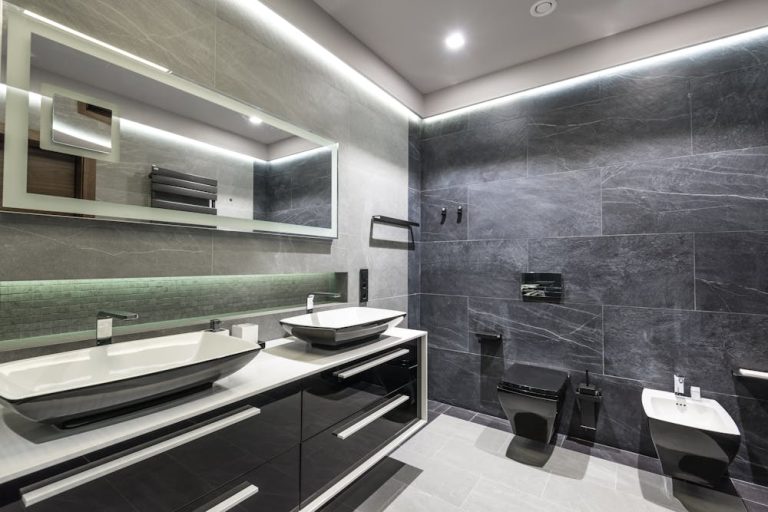
Design trends evolve, and bathrooms are no exception. Features like pastel tiles, heavy cabinetry, or worn-out fixtures can make the space feel dated. While some vintage elements can be charming, excessive wear or outdated combinations often detract from the overall experience.
Updating surfaces, finishes, and color schemes can instantly modernize the room. Even subtle changes—like improved lighting or updated wall materials—can make a significant difference without completely overhauling the layout.
Aging Fixtures That Show Wear
Fixtures naturally degrade over time. Stains, corrosion, and reduced performance are clear indicators that components are nearing the end of their lifespan. Older sinks, tubs, and faucets may also lack efficiency compared to modern alternatives.
Upgrading elements like a bathroom countertop or sink fixtures can improve both appearance and durability. Many homeowners also consult a plumbing company to ensure new fixtures integrate seamlessly with existing systems.
You’re Dealing With Recurring Plumbing Problems
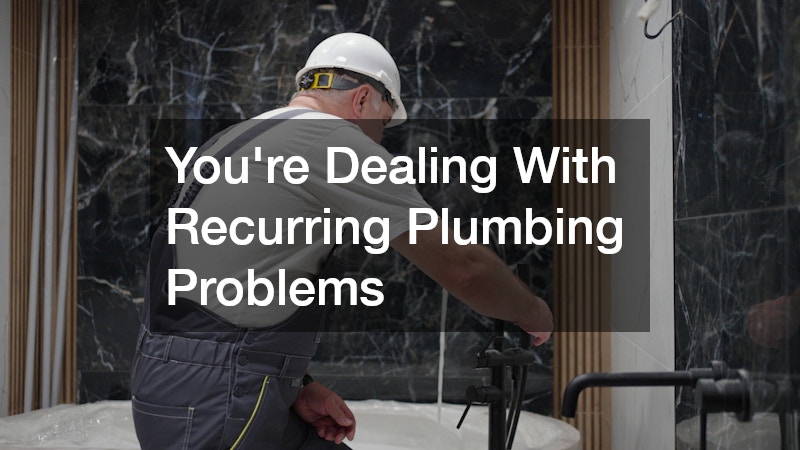
Frequent plumbing issues are more than just a nuisance—they’re a strong signal that your bathroom may need more than temporary fixes. Persistent problems often point to underlying issues within pipes, drainage systems, or fixture connections.
While minor repairs can offer short-term relief, recurring issues suggest that a more comprehensive solution is needed. Addressing these concerns during renovation can prevent more serious damage down the line.
Visible Leaks and Water Damage
Water stains, peeling paint, or warped surfaces often indicate hidden leaks. Even small amounts of moisture can gradually damage walls, flooring, and structural components. Over time, this can lead to costly repairs if left unresolved.
A local plumber can diagnose these issues, but repeated repairs may signal that the plumbing system itself needs updating. A bathroom remodel allows plumbers better access to hidden components, making it easier to replace aging pipes and prevent future leaks.
Constant Clogs and Slow Drains
If you’re frequently dealing with clogged or slow drains, the problem may go beyond simple buildup. Aging pipes, improper slopes, or outdated layouts can contribute to ongoing drainage issues.
While regular drain cleaning helps, it doesn’t always solve the root problem. Updating the drainage system during a remodel can improve water flow and reduce the likelihood of recurring issues.
Your Bathroom Feels Cramped or Inefficient
A bathroom that once worked well can become inconvenient as household needs evolve. Limited space, awkward layouts, or poor fixture placement can make daily routines more difficult than they should be.
If you find yourself constantly adjusting to the space rather than the space working for you, it may be time for a change.
Inefficient Layout and Poor Flow
Older bathrooms often weren’t designed with modern lifestyles in mind. Tight walkways, poorly positioned fixtures, and limited counter space can disrupt daily routines.
Reconfiguring the layout can significantly improve movement and usability. Even without expanding the room, smart design adjustments can make the space feel larger and more functional.
Lack of Storage and Increasing Clutter
Clutter is a clear sign that your bathroom isn’t meeting your storage needs. Overfilled cabinets and crowded countertops can make the space feel chaotic and disorganized.
A renovation allows for better storage solutions, such as built-in shelving, updated cabinetry, and more efficient use of vertical space. Pairing these upgrades with improved flooring installation can create a cleaner, more cohesive look.
Your Utility Bills are Gradually Increasing

Rising water or energy bills can sometimes be traced back to your bathroom. Inefficient fixtures and hidden leaks can drive up costs without obvious warning signs.
If your monthly expenses continue to climb, it may be time to evaluate whether your bathroom is contributing to the problem.
High Water Usage From Old Fixtures
Older toilets, faucets, and showerheads often use significantly more water than modern alternatives. Even minor leaks can add up over time, increasing your water bill.
Upgrading to more efficient fixtures during a remodel can help reduce waste while maintaining strong performance. This is a practical way to lower long-term costs.
Energy Inefficiency in Lighting and Ventilation
Outdated lighting and ventilation systems can also impact energy usage. Older fixtures may require more power, while poor ventilation can lead to longer run times.
Modern lighting and ventilation upgrades improve efficiency while enhancing comfort. Better airflow also helps regulate humidity, protecting surfaces and finishes.
You Notice Mold, Mildew, or Persistent Moisture
Moisture is unavoidable in bathrooms, but excessive or lingering dampness is a warning sign. Mold and mildew growth indicate that ventilation or waterproofing may not be functioning properly.
Ignoring these issues can lead to health concerns and structural damage, making early intervention essential.
Visible Mold and Damp Surfaces
Mold often appears on walls, ceilings, or grout lines when moisture levels remain high. This not only affects appearance but can also impact indoor air quality.
Addressing the root cause—whether it’s poor ventilation or hidden leaks—is critical. Renovation allows for a more thorough solution rather than temporary fixes.
Poor Ventilation and Airflow
Inadequate ventilation traps humidity, creating an environment where mold can thrive. Older bathrooms may lack proper exhaust systems or rely on outdated fans.
Upgrading ventilation improves air circulation and reduces moisture buildup. This helps protect materials while creating a healthier space.
Your Bathroom Surfaces are Showing Significant Wear and Damage
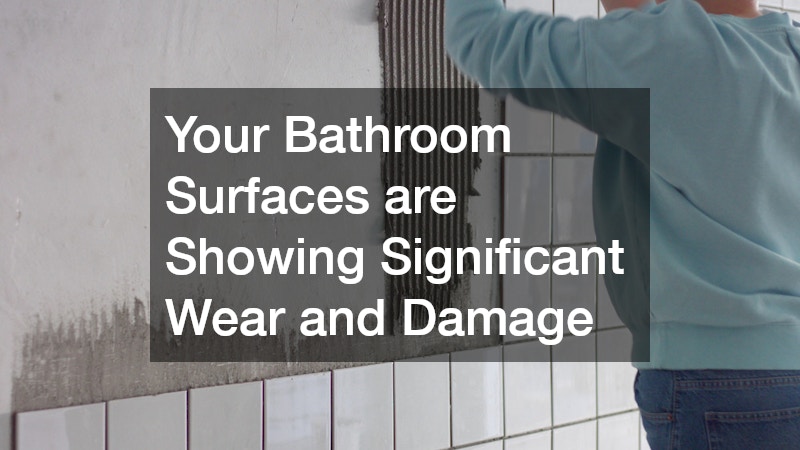
Visible wear and tear is one of the clearest signs that your bathroom is due for an upgrade. Cracked tiles, chipped countertops, peeling paint, or deteriorating grout don’t just affect appearance—they can also signal deeper structural concerns. Over time, daily use and constant exposure to moisture naturally break down materials, especially if they were not designed for long-term durability.
Damaged surfaces can allow water to seep into underlying structures, leading to more serious issues like rot or mold. What may start as a minor cosmetic flaw can quickly escalate into a costly repair if ignored. Updating worn-out materials during a renovation helps restore both the look and integrity of the space. Modern materials are designed to resist moisture, stains, and daily wear more effectively, making them a practical investment. Addressing these issues early ensures your bathroom remains safe, functional, and visually appealing.
Your Bathroom Has Persistent Odors You Can’t Eliminate
Unpleasant odors that linger despite regular cleaning are often a hidden sign that something isn’t right. Bathrooms should feel clean and fresh, so if foul smells persist, they may point to underlying plumbing or ventilation issues. These odors can originate from trapped moisture, mold growth, or problems within the drainage system.
In some cases, outdated or improperly installed pipes can allow sewer gases to escape, creating an ongoing odor problem. Poor ventilation can also trap humidity and smells, making the space feel uncomfortable. While temporary fixes like air fresheners may mask the issue, they don’t address the root cause. A renovation provides the opportunity to inspect and upgrade plumbing and ventilation systems thoroughly. Eliminating persistent odors not only improves comfort but also contributes to a healthier indoor environment.
Your Lighting Feels Inadequate or Poorly Positioned
Lighting plays a crucial role in how functional and inviting your bathroom feels. If your current setup leaves shadows, creates glare, or doesn’t provide enough illumination for daily tasks, it may be time for an update. Poor lighting can make simple activities like grooming or cleaning more difficult and less efficient.
Older bathrooms often rely on a single overhead light, which doesn’t provide balanced or sufficient coverage. Modern designs incorporate layered lighting, including task lighting around mirrors, ambient lighting for overall brightness, and accent lighting for added depth. Improving lighting placement can also make the space appear larger and more open.
During a renovation, updating fixtures and positioning ensures better visibility, energy efficiency, and overall comfort. A well-lit bathroom enhances both practicality and atmosphere. Collaborating with experienced electricians ensures that relocated fixtures and lighting are installed safely and efficiently.
Your Bathroom No Longer Matches the Rest of Your Home
As homeowners update other areas of their house, the bathroom can start to feel out of place if it hasn’t been refreshed. A mismatch in design, materials, or overall quality can disrupt the flow of your home and make the space feel disconnected. This is especially noticeable in open-concept homes or properties with consistent design themes.
An outdated bathroom can stand out in a negative way, even if it still functions properly. Aligning the bathroom with the rest of your home’s style creates a more cohesive and polished look. This doesn’t necessarily mean following trends—it’s about ensuring consistency in finishes, colors, and overall design language. Renovating the space allows you to bring everything together, improving both visual harmony and property value. A cohesive home design enhances comfort while making a stronger impression on guests or potential buyers.
You’re Preparing to Sell Your Home
If you’re planning to sell, your bathroom plays a significant role in how buyers perceive your property. An outdated or poorly maintained bathroom can quickly turn potential buyers away.
Investing in updates can increase your home’s appeal and overall value.
Outdated Bathrooms Affect Buyer Impressions
Buyers often view bathrooms as a reflection of how well a home has been maintained. Visible wear, outdated features, or functional issues can raise concerns.
Updating finishes, fixtures, and layouts helps create a more polished and move-in-ready appearance.
Modern Features Buyers Expect
Today’s buyers look for clean designs, efficient layouts, and durable materials. Features like updated flooring installation, improved lighting, and reliable plumbing systems can make a strong impression.
Even smaller upgrades, such as addressing toilet repairs or replacing worn fixtures, can enhance buyer confidence.
Your Household Needs Have Changed
Life changes often bring new demands, and your bathroom should adapt accordingly. Whether your family is growing or your needs are shifting, an outdated setup can become increasingly inconvenient.
A remodel allows you to align the space with your current lifestyle.
Increased Usage and Limited Capacity
More people using the same bathroom can lead to congestion and frustration. Limited sinks, minimal storage, and outdated layouts can quickly become problematic.
Updating the layout and adding features that support higher usage can improve efficiency and reduce daily stress.
Safety Concerns for All Ages
Bathrooms should be safe for everyone, from young children to older adults. Slippery floors, poor lighting, and hard-to-reach fixtures can pose risks.
Incorporating non-slip flooring, better lighting, and accessible layouts enhances safety while maintaining comfort and style.
You Simply Feel Dissatisfied With the Space
Not all signs are structural—sometimes, the need for change comes from how the space makes you feel. If your bathroom no longer feels comfortable, relaxing, or aligned with your taste, it may be time for an update.
Since this is a space you use every day, your level of satisfaction matters.
Lack of Comfort and Enjoyment
A bathroom should feel comfortable and functional, supporting both your morning routine and evening wind-down. When the space looks dated, feels too tight, or lacks appeal, it can quietly take away from that experience.
Upgrading elements like lighting, layout, and finishes can significantly improve the look and feel of the room, turning it into a more inviting and practical space.
Desire for Personalization
Modern homeowners are increasingly looking for ways to personalize their spaces. From unique tile designs to custom bathroom countertop options, there are more opportunities than ever to create a bathroom that reflects your style.
Working with professionals, including a glass company for shower enclosures or decorative features, allows you to balance creativity with long-term durability.
Final Thoughts
Recognizing the signs that it’s time to update your bathroom can make a significant difference in both comfort and long-term home value. Whether the issues involve outdated design, plumbing concerns, or changing lifestyle needs, addressing them early helps prevent more serious problems in the future.
Remodeling your bathroom is an opportunity to improve functionality, enhance efficiency, and create a space that better supports your daily routine. By evaluating how your current bathroom performs, you can make informed decisions about what upgrades will deliver the most impact.
Ultimately, investing in the right improvements ensures that your bathroom remains a practical, comfortable, and valuable part of your home for years to come.
About the Author