An older home possesses a level of architectural character, historic charm, and mature landscaping that modern tract developments rarely replicate. However, behind crafted trim work and solid hardwood floors, aging properties undergo a continuous process of structural and mechanical degradation. Over decades, subtle exposure to moisture, thermal expansion, soil movement, and simple material fatigue quietly weakens the primary protective shells and internal networks of a house.
When minor vulnerabilities are left unchecked, they rarely stay minor. A tiny pinhole leak in an upper flashing, an unsealed gap along exterior cladding, or an overloaded electrical panel can gradually evolve into thousands of dollars in hidden decay, mold contamination, or catastrophic structural failure. Performing a comprehensive home audit allows you to identify vulnerabilities early, prioritize essential repairs, and stop destructive forces before they compromise your living space, personal safety, and long-term financial equity.
Inspecting Overhead Defense Systems for Hidden Water Intrusion
Overhead inspection requires looking beyond missing or curling surface shingles. As roofing materials age, the underlying waterproof membrane degrades, and metal flashing around chimneys, plumbing stacks, and roof valleys begins to corrode or pull away from brick and wood surfaces. During your audit, inspect these vulnerable overhead points carefully:
-
Attic Rafters and Sheathing: Search for dark water staining, soft wood rot, or active drips during heavy rainfall.
-
Chimney and Valley Flashing: Check for cracked sealant, rusted metal, or gaps where wind-driven rain can penetrate.
-
Soaking Insulation: Feel the thermal insulation near eaves; damp insulation loses its thermal resistance and breeds toxic mold.
Partnering with an accredited roofing company guarantees that subtle vulnerabilities, such as compromised underlayment or wind-lifted tabs, are detected and repaired before structural wood rot forces an expensive tear-off.
Managing Water Runoff and Gutters
A fully functional roof is only as effective as the gutter system that receives its runoff. Clogged, sagging, or rusted gutters allow gallons of rainwater to pool against eave edges, rotting fascia boards and pushing water underneath the lower shingle courses. To ensure proper water shedding around your roofline, audit the pitch and alignment of gutters to verify a continuous downward slope toward downspouts. Inspect the fascia and soffit wood behind your gutters for soft spots, peeling paint, or pest entry holes, and ensure downspouts discharge water at least five feet away from foundation walls to prevent soil saturation.
Enlisting professional gutter services ensures your home is fitted with seamless gutters and debris-blocking guards, allowing heavy rainwater to channel safely away from vulnerable roof margins and foundation perimeters.
Checking Vertical Cladding for Moisture Traps
Exterior siding acts as a protective raincoat over your home’s wooden skeleton. Whether your house features lap siding, brick veneer, or modern composite panels, age creates gaps and hairline fractures that harbor trapped moisture. Check lower siding boards near ground level for softness, paint peeling, or wood-destroying insect activity. Audit joints around exterior trim, light fixtures, and hose bibs for dried, cracked, or missing caulk, and watch for signs of bulging or warping, which indicates that water is trapped behind the cladding wall.
Hiring qualified siding contractors allows you to strip back damaged exterior sections, repair compromised weather-resistive barriers, and replace rotted panels before internal wall frames lose their structural capacity.
Securing Windows and Eliminating Leaks
Windows are high-risk penetration points for both energy loss and water intrusion in an aging property. Over time, protective exterior paints degrade, wood window frames rot, factory glass seals fail, and subtle foundation settling pulls window openings out of square, creating gaps that admit cold drafts and driving rain. Audit all window openings for fogged double panes where persistent condensation is trapped between glass layers, indicating a failed perimeter seal that completely destroys the window’s thermal insulating value. Carefully probe lower wooden sills and bottom sash corners with a screwdriver to catch soft, hidden wood rot caused by indoor condensation or exterior rain leaks, and feel along perimeter interior trim for noticeable air movement on windy days.
Working with experienced window installers ensures that new, energy-efficient replacement units are set with modern flashing pans, self-adhering membrane tape, and non-expanding insulating foam that seals gaps without bowing the new frames. Knowing when to invest in a full window replacement versus applying fresh exterior caulk or weatherstripping prevents water from quietly rotting out the rough wooden framing studs hidden inside your walls. Modern multi-pane windows feature low-emissivity glass coatings, warm-edge spacers, and vinyl or composite frames that resist decay, cut outdoor noise transmission, and slash heating and cooling expenses. Replacing compromised windows stabilizes indoor temperatures, protects wall cavities from hidden mold growth, and provides an immediate boost to your home’s exterior aesthetic and overall resale value.
Assessing Heating and Cooling Systems
An aging heating and cooling system does far more than increase your monthly utility bills; it can compromise indoor air quality, foster toxic mold growth, and introduce dangerous levels of moisture into your living spaces. When auditing your climate control equipment, look out for rust, heavy soot accumulation, or micro-cracks in older gas furnace heat exchangers that leak deadly, odorless carbon monoxide into supply ducts. Inspect indoor air handler drain pans and primary condensate lines for blockages or standing water; overflowing condensate pans cause devastating ceiling collapses, subfloor rot, and hidden mold colonies behind drywall. Additionally, inspect visible attic and crawl space ductwork for loose tape connections, sagging runs, torn insulation, or heavy dust buildup that allows conditioned air to escape into unconditioned zones.
When aging mechanical units pass their operational lifespan—typically 12 to 15 years—scheduling a complete hvac installation restores indoor air filtration, optimizes year-round humidity control, and dramatically lowers monthly utility expenses. Modern heat pumps and variable-speed systems adjust output dynamically to match real-time heating and cooling demands, reducing energy consumption while maintaining consistent temperatures throughout every room. Professional HVAC contractors will also size new equipment using precise load calculations, replace leaking or improperly insulated duct runs, and integrate smart programmable thermostats. Modernizing your heating and cooling infrastructure transforms your indoor living environment into a safe, energy-efficient sanctuary while protecting your home’s framing and subflooring from costly moisture damage.
Auditing Electrical Panels and Wiring
Older properties were simply not built to handle today’s heavy electrical loads, which are driven by high-wattage appliances, modern HVAC units, home EV chargers, and countless personal electronic devices. Outdated breaker panels, ungrounded outlets, and deteriorating wire insulation represent severe structural fire hazards that require immediate, proactive intervention. Audit your home’s electrical safety by opening your main service panel to check for signs of rust, corrosion, warm circuit breakers, or legacy panel brands known for dangerous design flaws and failing to trip during overloads. Carefully touch wall switch faceplates and outlets to check for unusual warmth, scorching, discoloration, or faint buzzing sounds when major appliances are actively running. Additionally, inspect exposed floor joists in basements, crawl spaces, and unconditioned attics for legacy knob-and-tube wiring, cloth-wrapped conductors, or ungrounded two-prong receptacles that lack dedicated equipment grounding conductors.
Bringing in licensed electricians to upgrade main panel capacities to modern 200-amp standards, ground circuit wiring, and install dual-function arc-fault and ground-fault circuit interrupters (AFCI/GFCI) eliminates hidden fire risks throughout your living space. Qualified electrical contractors can also perform comprehensive load calculations, rebalance overloaded circuits, replace brittle copper conductors, and integrate whole-house surge protection devices at the main breaker. Modernizing your electrical infrastructure safeguards delicate modern electronics from voltage spikes, satisfies strict home insurance requirements, and ensures your property comfortably supports current and future energy demands safely.
Auditing Underground Waste Systems
An aging underground wastewater system is a ticking financial clock. Cast iron, clay, or orangeburg sewer pipes naturally corrode, collapse, or suffer from severe tree root intrusion over decades of service. Monitor these key indicators of subsurface plumbing failure:
-
Slow-Draining Fixtures: Watch for multiple sinks, tubs, and toilets draining slowly at the same time throughout the home.
-
Soggy Lawn Patches: Look for unusually green, lush, or sunken areas in your yard directly above underground utility lines.
-
Sewer Gas Odors: Smell for foul sewer gas around basement floor drains or near outdoor septic tank access lids.
Consulting certified septic installers allows you to inspect tank integrity, clear line blockages, or replace failing leach fields before raw sewage backs up into your home’s basement or crawl space.
Checking Fencing for Structural Decay
Boundary enclosures provide essential security, pet control, privacy, and clear property lines for homeowners. Over time, constant exposure to soil moisture, seasonal freeze-thaw cycles, and harsh weather causes wood posts to rot beneath ground level, metal fasteners to rust through, and soil movement to push long runs of fencing out of plumb. Evaluating your property boundaries is a critical component of any comprehensive home audit, as leaning or unstable enclosures pose serious safety risks to children, pets, and neighboring properties during severe storms.
Begin your perimeter assessment by pushing firmly on vertical fence posts at regular intervals to check for structural wobble or subterranean timber decay. Inspect horizontal support rails and vertical pickets for bleeding rust stains, loose nails, split wood, or failing metal brackets that compromise structural integrity. Additionally, test all perimeter gates to ensure self-closing mechanisms, hinges, and latches line up correctly and operate smoothly without dragging against the turf or patio surface.
Working with a specialized fence installation team ensures that replacement posts are anchored deeply beneath the frost line in compacted gravel and concrete, establishing a solid foundation that resists wind loads, soil shifting, and ground rot for decades to come. Professional installers can also recommend weather-resistant materials, such as pressure-treated pine, natural cedar, composite boards, or powder-coated aluminum. Upgrading your perimeter barriers restores peace of mind, enhances curb appeal, and cleanly defines your property limits.
Inspecting Legacy Backyard Pools
An older pool is a fantastic recreational feature that offers endless entertainment, but aging shells and hidden underground plumbing lines can silently leak thousands of gallons of water into surrounding soils. Over time, this undetected water migration washes away structural sub-base materials, causing surrounding deck slabs to settle, concrete patios to crack, and nearby home foundations to shift or sink under hydrostatic pressure. Performing a comprehensive audit on an aging aquatic system requires a careful look at both visible surfaces and mechanical operations.
Carefully inspect your poolside equipment pad and interior shell structure for hairline plaster cracks, missing tile grout, or separation along the coping line that permits continuous water loss. Pay close attention to pump pressure gauges during routine operation; fluctuating or dropping operational pressure often signals air entering compromised underground suction lines or water escaping through cracked return pipes. Additionally, look for uneven concrete slabs, sunken pavers, or unusually soggy turf patches around the pool margin, as these are clear indicators of subterranean water pooling.
Consulting accredited pool builders allows you to perform professional hydrostatic pressure tests on underground plumbing networks, pinpointing exact leak locations without unneeded excavation. Qualified professionals can inject epoxy or polyurethane resins into cracked structural shells, replace worn skimmers, and modernize aging equipment pads with automated variable-speed pumps. Eliminating silent water loss protects your surrounding hardscaping, safeguards your home’s structural foundation, and restores total operational efficiency to your backyard oasis.
Managing Crawl Space and Foundation Moisture
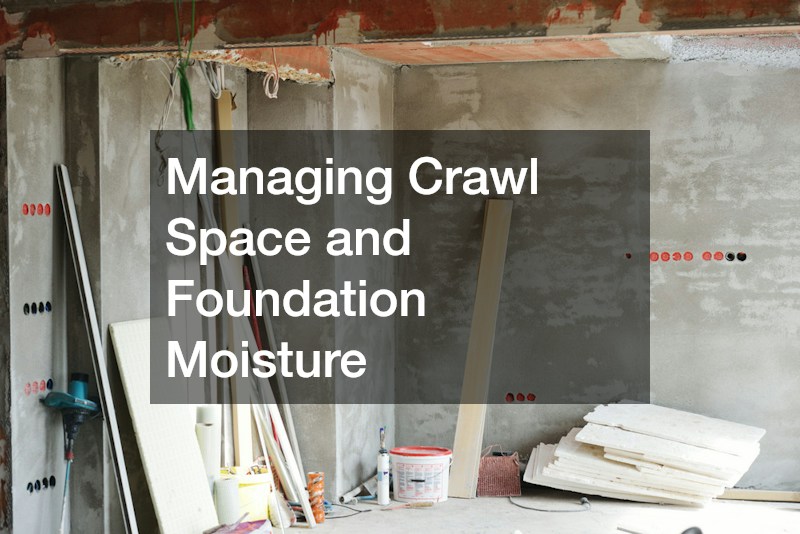
Because basements and crawl spaces are below ground level, they act as collectors for ambient moisture and soil gases. High humidity in a crawl space causes wood-destroying fungi to consume floor joists from underneath. Check your basement and crawl space for efflorescence on concrete walls, which proves that water is migrating through the masonry. Inspect main floor joists and beam supports with a flashlight, checking for soft, dark, or sagging timber, and trust your sense of smell to identify musty odors indicating active mold colonies growing beneath your subfloor.
Installing heavy vapor barriers over exposed dirt, sealing crawl space vents, and operating dedicated dehumidifiers keeps subfloor wood dry and structurally sound. When floor joists sag or rot, contractor teams can sister new dimensional lumber alongside damaged joists and install adjustable steel jack posts atop concrete footings to level the floor above safely.
An aging home offers unmatched character, history, and warmth, but preserving those qualities requires active stewardship. By systematically auditing your house from the roofline down to the underground utilities, you strip away the mystery of hidden damage and take control of your property’s future. Addressing minor leaks, sealing exterior gaps, upgrading mechanical systems, and protecting structural foundations prevents minor maintenance needs from turning into catastrophic home repairs. With a clear action plan, routine seasonal checks, and support from qualified trade professionals, you can protect your investment, maintain a safe living environment, and ensure your home stands strong for generations to come.
About the Author